
Traffic signs are crucial for ensuring the safety of drivers, pedestrians, and other road users. They provide valuable information, establish consistent rules, and help reduce accidents. Understanding the importance of traffic signs can improve your awareness and appreciation for their role in traffic safety.
How Traffic Signs Keep Drivers Safe
Traffic signs command attention and provide valuable information to road users. Whether it’s regulatory signs like stop signs or warning signs for hazards ahead, these tools play a vital role in keeping drivers safe. By clearly indicating rules and conditions, traffic signs help prevent confusion and ensure smooth traffic flow.
For example, speed limit signs inform drivers of the maximum safe speed for a particular location. These signs reduce the risk of accidents caused by excessive speed, especially in areas like school zones or construction zones.
The Importance of Consistent Rules
One of the reasons traffic signs are important is their ability to provide consistent rules. Whether you’re an experienced driver or new to the road, you can rely on traffic signs to convey uniform guidance. Stop signs, yield signs, and regulatory signs ensure all road users follow the same set of rules, minimizing misunderstandings.
In many cities, consistent rules established by traffic signs reduce the likelihood of accidents. They help drivers anticipate the road ahead and make informed decisions in real-time.
Warning Signs: A Critical Aspect of Traffic Safety
Warning signs alert road users to potential hazards or changes in driving conditions. For instance, a sign indicating a sharp turn or steep incline helps drivers adjust their speed and approach. These warnings give drivers adequate time to react, reducing the likelihood of accidents.
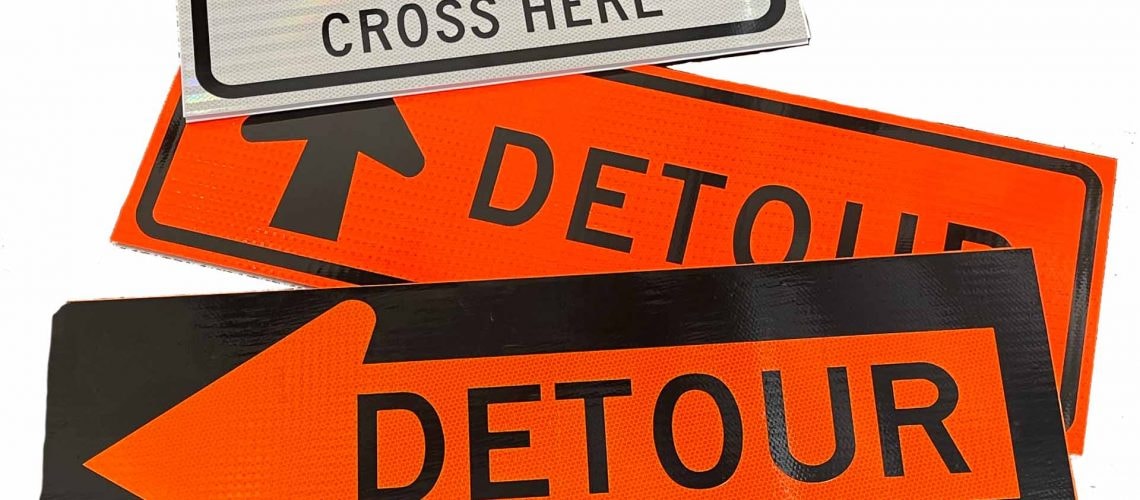
Temporary signs, such as those used in construction zones, are equally important. They guide drivers safely through altered traffic patterns and ensure the safety of workers and pedestrians in the area.
Regulatory Signs and Traffic Flow
Regulatory signs, like speed limit signs and stop signs, are essential for maintaining orderly traffic flow. They clearly state the rules drivers must follow, such as when to stop, yield, or reduce speed. By adhering to these signs, drivers contribute to a safer and more predictable road environment.
For example, stop signs at intersections prevent collisions by establishing the right-of-way. Similarly, speed limit signs help maintain safe driving speeds, reducing the risk of accidents caused by sudden braking or speeding.
The Role of Road Signs in Navigation
Road signs also assist with navigation. Street signs, route markers, and directional signs help drivers find their way in unfamiliar areas. For example, highway exit signs provide valuable information about the road ahead, helping drivers choose the correct route without causing disruptions.
In many cities, these signs make it easier for drivers, cyclists, and pedestrians to navigate streets safely and efficiently. They also reduce the stress of driving in new locations by providing clear and concise directions.
The Presence of Traffic Signals
Traffic signals work alongside road traffic signs to regulate the flow of vehicles and pedestrians. These signals ensure that all road users take turns crossing intersections, reducing the risk of accidents. For example, a red light signals vehicles to stop, while a green light allows them to proceed safely.
When combined with road signs, traffic signals create a comprehensive system that promotes safety and order. This collaboration is particularly important in high-traffic areas and intersections.
Street Signs: Essential for Everyday Driving
Street signs provide critical information about street names, directions, and specific locations. They help drivers and pedestrians identify their surroundings and navigate effectively. Without street signs, navigating many cities would be chaotic and confusing.
These signs also play a role in emergency situations. For example, clear street signs enable emergency responders to locate a particular location quickly, potentially saving lives.
The Role of Traffic Signs in Construction Zones
Temporary signs in construction zones ensure the safety of both workers and drivers. These signs alert drivers to changes in traffic patterns, lane closures, and potential hazards. For example, a “Road Work Ahead” sign warns drivers to slow down and remain cautious.
Construction zones are high-risk areas, making the presence of temporary signs essential. They provide guidance that helps drivers navigate safely while protecting construction crews.
How Traffic Signs Reduce Accidents
Traffic signs play a significant role in reducing accidents by conveying critical information and establishing clear rules. Warning signs alert drivers to potential risks, while regulatory signs ensure orderly traffic flow. Together, these signs create a safer environment for everyone on the road.
For example, a “Bicycle Lane” sign indicates the presence of cyclists, prompting drivers to exercise caution. Similarly, speed limit signs reduce the risk of collisions by encouraging drivers to maintain safe speeds.
The Engineering Behind Traffic Signs
The design and placement of traffic signs are based on extensive engineering studies. These studies determine the most effective way to convey information and ensure visibility. Factors like font size, color, and placement are carefully considered to command attention and improve safety.
For instance, a reflective stop sign ensures visibility at night, while high-contrast warning signs are easy to spot in poor weather conditions. This engineering ensures that signs remain effective in various environments.
Conclusion: The Importance of Traffic Signs
In conclusion, traffic signs are essential for maintaining safety and order on the roads. They provide consistent rules, reduce accidents, and assist with navigation. From warning signs to temporary signs in construction zones, each type of sign plays a unique role in keeping drivers, pedestrians, and other road users safe.
To learn more about how traffic signs work alongside road markings to ensure safety, check out this blog post from Capitol Barricade. Understanding the importance of these tools can help you become a more informed and responsible driver.


