
If you’ve ever walked across your yard and noticed dry, patchy grass, your lawn may be begging for aeration. But when is the best time to aerate your lawn? Timing matters more than most people realize. This guide will help homeowners get it right and direct you towards expert lawn care and seasonal guidance tailored to your grass type and climate zone.
Let’s walk through the key factors that determine the best time for lawn aeration and how you can ensure healthy growth all season long.

What Is Lawn Aeration?
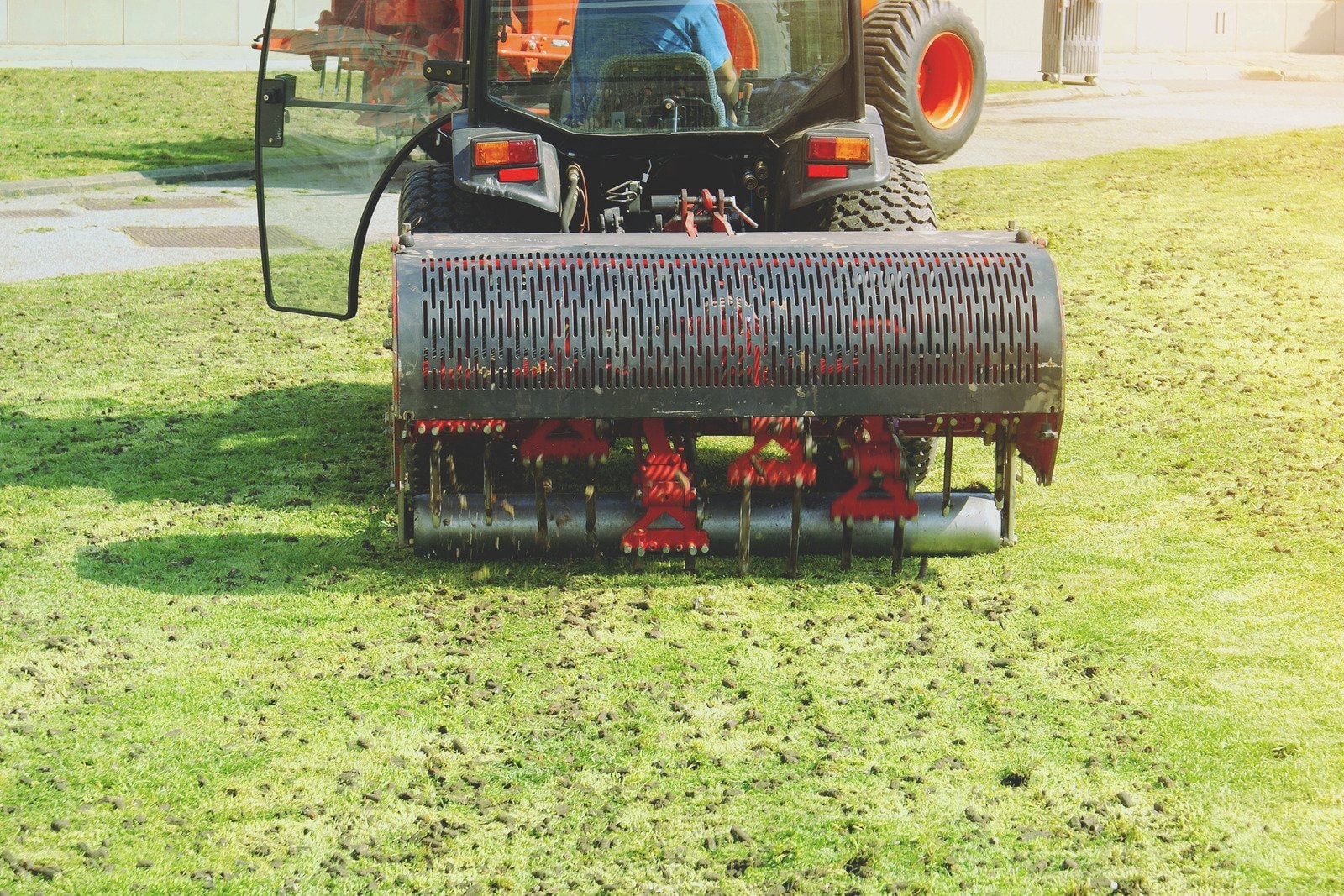
Lawn aeration is the process of punching small holes in your lawn’s soil. These aeration holes allow air, water, and nutrients to reach the grass roots more effectively. By doing so, you reduce soil compaction and promote a healthier lawn overall.
There are two main types of aerator equipment:
- Spike aerators, which poke holes by pressing soil to the side
- Plug aerators, also called core aerators, which remove plugs of soil to alleviate compaction
We recommend core aeration for long-lasting results. It works best for clay soil and heavy clay soil, which are especially prone to more compaction.
Why Your Lawn Needs Aeration
Over time, foot traffic, outdoor activities, and even your lawn mower can lead to compacted soil. This makes it difficult for roots to receive the oxygen and moisture they need. When this happens, you’ll see a decline in your lawn’s health—thin grass, bald spots, or even dead patches.
A quick way to test your lawn is the screwdriver test. If a screwdriver doesn’t penetrate the soil surface easily, your lawn likely has soil compaction.
By aerating your lawn, you reduce additional compaction and encourage grass to grow deep, strong root systems.
Best Time to Aerate Your Lawn by Grass Type
Now, let’s answer the big question: When is the best time to aerate your lawn? It depends largely on your grass type and local climate zone.
Cool Season Grasses
If you live in the northern U.S., you likely have cool-season grasses such as:
- Kentucky bluegrass
- Fescue
- Ryegrass
These grasses grow best during spring and fall. So, the best time to aerate is either early spring or early fall.
Aerating in early fall is often preferred. At that time, your grass is actively growing, and the cooler weather reduces stress. Aerating after the second mowing in spring is also acceptable, especially if your lawn shows signs of soil compaction.
Warm Season Grasses
In southern regions, lawns often consist of warm season grasses like:
- Augustine grass
- Bermuda grass
- Zoysia
- Centipede grass
For these types, the growing season peaks in late spring and early summer. That means the best time to aerate is during late spring through early summer, when your warm-season lawn is growing vigorously.
Avoid aerating in hot summer months. Extreme heat can stress grass during recovery.
Timing Based On Soil Type

Your lawn’s soil plays a huge role in how often and when to aerate.
- Clay soil and heavy clay soil become compacted more easily. They often need aeration at least once per year, typically in spring or fall
- Sandy soil drains well and doesn’t compact as fast. These lawns may only need aeration every other year
Knowing your soil type helps you plan your aeration process and avoid additional compaction that damages healthy grass.
Tips For Preparing Your Lawn For Aeration
Before you begin, it’s important to follow a few basic prep steps:
- Water the lawn the day before. This makes the soil moderately moist, which is ideal for removing soil plugs
- Mark sprinkler heads and underground lines to avoid damaging them with powered aerators
- Mow the lawn to a reasonable height. This makes it easier for machines to reach the grass surface and pull clean, small plugs
After you aerate the lawns, leave the plugs on the entire lawn. They’ll break down and return nutrients to the soil.
Should You Seed After Aerating?
Absolutely. Grass seed takes root best in loosened soil. If your lawn looks thin or has bare spots, overseeding right after aeration gives it a fresh start.
Be sure to apply seed based on your grass type, and water it consistently during the first few weeks. For better results, avoid foot traffic during this recovery period.
Where To Get Equipment
You can rent aerator equipment at most lawn and garden stores. However, these tools can be bulky and difficult to operate. Powered aerators require strength, precision, and care.
That’s why many homeowners prefer calling in a lawn service like New Leaf Landscaping. We handle the process from start to finish, ensuring the right equipment, timing, and technique.
Let New Leaf Landscaping Handle It For You
Aeration is one of the most important services you can do for your yard. But timing, technique, and climate zone all play a role.
New Leaf Landscaping takes the guesswork out of lawn aeration. Their team evaluates your grass type, soil condition, and local weather patterns to schedule the ideal time to aerate your lawn. They even offer routine lawn care plans to keep your yard healthy all year long.
From thatch removal to aeration, seeding, and fertilization, they provide complete lawn care solutions. Your healthy lawn starts here—with expert help from a trusted team.
Aerate And Reap The Benefits
Still wondering when the best time to aerate your lawn is? The answer depends on your grass type, soil, and climate. Whether you live in a cool or warm region, the right timing helps your lawn grow thick, resist disease, and bounce back from stress.
Don’t wait for compacted soil to choke your yard. Take action this season, better yet, consult an expert!


