
You’ve probably heard about micro-dosing in media reports or from friends. But what is it, and why do people try it? Micro-dosing involves taking very low doses of a substance or psychedelic drugs like LSD (lysergic acid diethylamide) psilocybin mushrooms, or even THC. Micro-dosing is often promoted as a way to enhance creativity, reduce anxiety, or improve mental health. In addition, this method of drug use is promoted as safe and free of health risks.
Let’s be clear and fact-check some of the misinformation that is circling. Substance use of any kind, whether it is microdosing psychedelics or THC is not risk-free. The only lifestyle free from adverse effects is The Unaltered approach.
If you’re considering experimenting with drugs through micro-dosing, it’s important to understand the potential benefits, risks, and what current research says. Let’s break it all down.
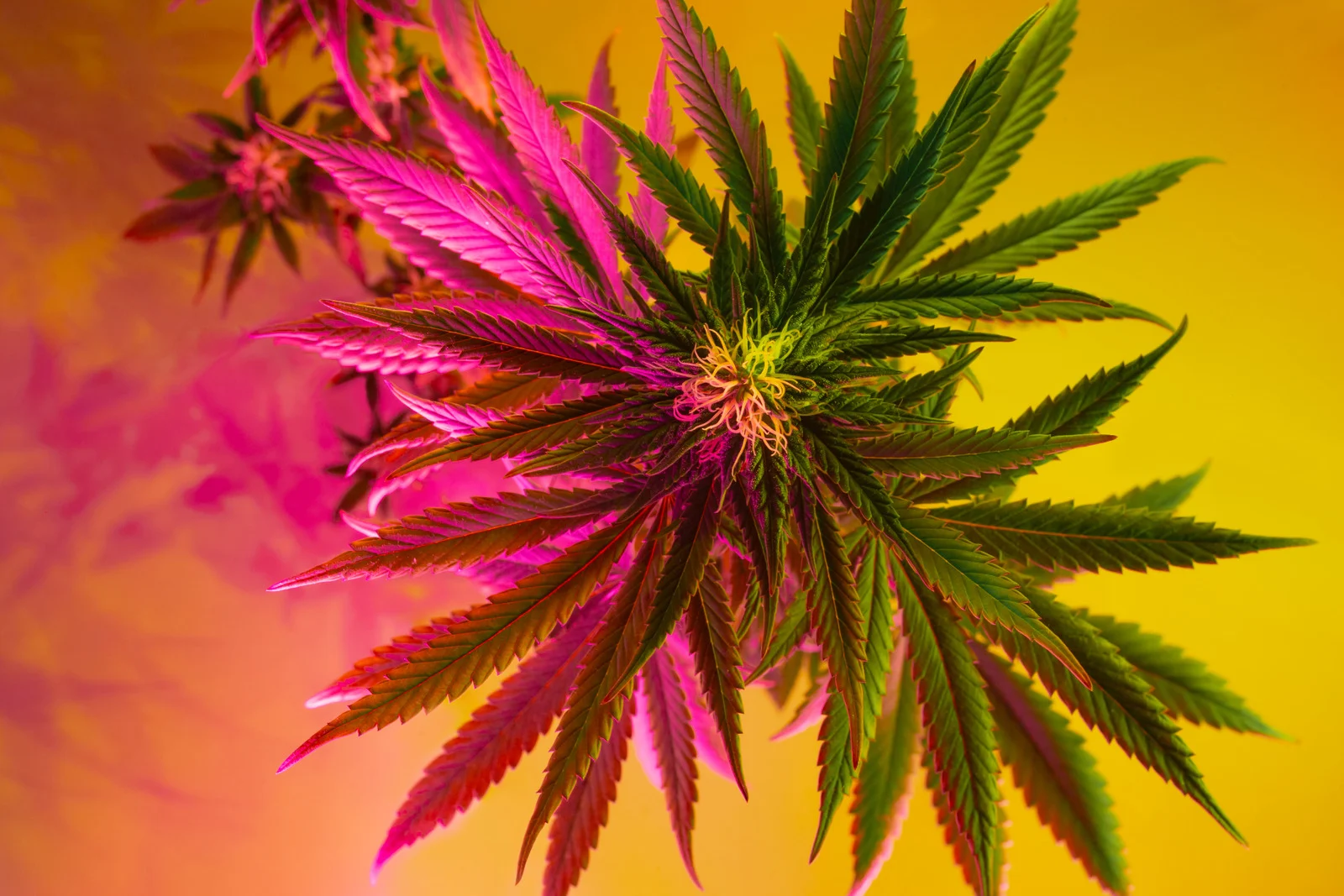
What Is Micro-Dosing And Why Do People Do It?
Micro-dosing involves consuming small amounts of psychedelic drugs or other substances, typically one-tenth to one-twentieth of a recreational dose. For example, a person micro-dosing THC would take under 5mgs. This is believed to be safe and to stimulate endocannabinoid production to help relieve pain.
However, while micro-dosing THC is often promoted as a way to experience the benefits of cannabis without the high, it’s not without risks. According to The National Institute on Drug Abuse, even in small amounts, THC can impair cognitive function, reaction time, and memory—especially with regular use. For some individuals, microdosing may also trigger anxiety, paranoia, or mood changes, which can be counterproductive to the mental health benefits people are seeking. There’s also a risk of building a tolerance over time, which could lead users to increase their dosage, potentially creating a dependence.
The Claims About Micro-Dosing
Proponents of micro-dosing often highlight several potential benefits. These include:
- Enhanced Creativity: Many anecdotal reports suggest that micro-dosing psychedelics boost creative thinking. Artists and writers have praised its ability to unlock new ideas
- Improved Mental Health: Some users claim that micro-dosing alleviates symptoms of depression or anxiety. Research teams studying psychedelic micro-dosing have found preliminary evidence supporting this idea
- Increased Focus: Small doses of psychedelics are said to reduce brain fog and improve cognitive function. This could explain why some people use micro-dosing in professional or social settings
- Physical Health Benefits: While evidence is limited, some reports suggest that micro-dosing may help with conditions like cluster headaches
- Positive Effects on Well-Being: Many users describe a general sense of happiness and calmness after micro-dosing
These benefits remain unproven. Few scientific studies focus on low-dose cannabis use. Most research examines moderate to high doses instead. A 2021 study found no strong evidence supporting microdosing for mental health or pain relief. Until more research emerges, microdosing’s supposed benefits lack solid scientific backing.
What Does The Science Say?

Although media reports often praise micro-dosing, the scientific community is still exploring its effects. Psychedelic research is in its early stages, and future research is needed to confirm many of the claims made by micro-dosing advocates. Studies conducted by organizations like the Open Science Framework (OPN) and the Harm Reduction Journal provide some insight, but there’s still a long way to go.
For example, clinical trials involving healthy volunteers have shown some promise. Research studies noted potential benefits in mental health conditions, like treatment-resistant depression. However, researchers stress the importance of systematic study before drawing conclusions.
One challenge is distinguishing the real effects from the placebo effect. Some scientific reports suggest that positive effects may stem more from participants’ expectations than the substances themselves.
Risks And Concerns
While the potential benefits are intriguing, there are also risks to consider:
Unregulated Substances
Most psychedelic substances used for the practice are illegal in many places. This means they’re not regulated, and the purity or safety of what you’re taking can’t be guaranteed.
Challenging Experiences
Even at low doses, some people may experience anxiety, brain fog, or uncomfortable emotions. These challenging experiences can be unsettling, especially for teens.
Lack Of Research
Despite the growing interest, there’s limited evidence supporting the safety and efficacy of micro-dosing. Most participants in studies are adults, not teens, making it hard to understand how psychedelics might affect younger people.
Dependency And Risk Of Larger Doses
Some users may develop a pattern of regular psychedelic use. This can lead to experimenting with higher doses, which carry more significant risks, including bad trips or other negative effects.
Why Teens Should Reconsider Micro-Dosing
Teens are in a unique stage of development. Your brain is still growing, and substances like THC can impact functional connectivity and brain development. While it is often marketed as “safe,” there isn’t enough evidence to confirm this, especially for teens.
Research teams warn that even small amounts of these substances can have unpredictable effects. For example, while some people report enhanced creativity or well-being, others experience anxiety or confusion. This makes it hard to predict how this practice might affect you personally.
Additionally, a systematic review of micro-dosing therapy highlights the importance of medical professionals guiding such practices. Without professional oversight, micro-dosing could lead to unintended consequences.
Exploring Alternatives
If you’re curious about micro-dosing because you’re seeking enhanced creativity, reduced anxiety, or improved well-being, there are other ways to achieve these goals. Try these alternatives:
- Exercise: Physical activity is proven to boost mental health and cognitive function without the risks associated with substance use
- Mindfulness Practices: Activities like meditation and yoga can improve focus, reduce anxiety, and promote well-being
- Creative Hobbies: Engaging in art, music, or writing can enhance creativity naturally
- Talking To Someone: Sharing your thoughts and feelings with a trusted friend or counselor can have a positive effect on mental health. Humans thrive off of connecting with others, whether you may be introverted or not
- Risk Taking: There are other adverterous ways to take risks aside from trying new substances. Apply for the job you always wanted, apply to the school you want to get in to, or anything that will put you out of your comfort zone
Choose Freedom

So, what is the point we are trying to make? The practice of consuming very low doses of psychedelic drugs or other substances like THC to achieve potential benefits like enhanced creativity and improved mental health. However, the risks and lack of conclusive evidence make it a complicated choice, especially for teens.
Additional studies are needed to understand how micro-dosing affects the brain and body. For now, focusing on alternatives like exercise, mindfulness, and creative outlets can offer similar benefits without the uncertainties of micro-dosing.
Remember, you have the power to make informed decisions about substance use. Prioritizing your mental and physical health will always be the best choice for a brighter future. Do not ever allow yourself to become subject to substances. At least investigate the empowering feeling of living The Unaltered way before making any decisions.


